Small cracks in asphalt can quickly become larger, more expensive problems when water reaches the pavement base. Asphalt crack filling is a preventitive maintenance method that blocks water intrusion and slows further deterioration before potholes and structural damage develop. Addressing cracks early helps Texas property owners protect their pavement and avoid more extensive repairs.
At Alpha Paving, we help property owners maintain commercial and municipal pavement across Dallas-Fort Worth, Houston, Austin, San Antonio, and surrounding Texas communities. Our team understands how extreme summer heat, seasonal temperature changes, moisture, and North Texas freeze-thaw cycles can affect asphalt over time. This guide explains how asphalt crack filling works, when it is appropriate, and what property owners should know when planning pavement maintenance.
What Is Asphalt Crack Filling?
Asphalt crack filling involves cleaning isolated cracks and filling them with a rubberized compound to help prevent water from reaching the pavement base. The base is the supporting layer beneath the asphalt surface, and excess moisture can weaken it and contribute to more extensive pavement damage.
Professional asphalt crack filling services use either hot- or cold-pour materials depending on the application. Crack filling addresses isolated cracks. It does not address potholes or pavement that has already lost structural integrity.
What Types of Cracks Can Be Filled?
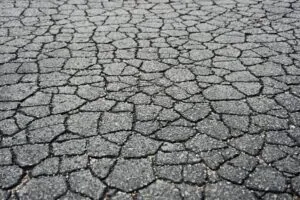
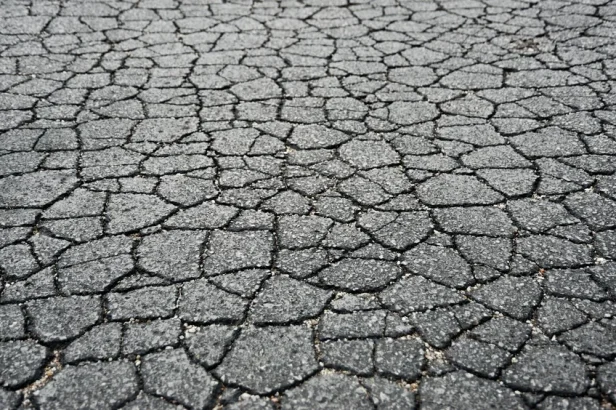
Longitudinal, transverse, edge, and block cracks are common candidates for crack filling, particularly when they are between ⅛ inch and ¾ inch wide and the surrounding pavement remains stable. ASTM D6690 provides an industry specification for hot-applied joint and crack sealants used on asphalt and concrete pavement. Alligator cracking, however, indicates pavement fatigue and underlying base failure, which typically requires patching, overlay, or another structural repair rather than crack filling alone.
Hot-Pour vs. Cold-Pour Crack Filler — What’s the Difference?
Hot-pour crack filler is a rubberized asphalt compound heated before application, allowing it to bond to prepared crack surfaces while remaining flexible through temperature changes. Its durability makes hot-pour material the preferred option for many commercial parking lots and roadways. Cold-pour filler comes pre-mixed and requires less equipment, making it better suited to small cracks and lighter-duty residential applications.
Why Crack Filling Is a Critical Part of Pavement Maintenance
Proactive asphalt crack repair slows pavement deterioration and helps property owners avoid more extensive repairs.
Limits water damage: Filling cracks reduces the amount of water that can reach and weaken the pavement base.
Prevents cracks from worsening: Treating cracks early can reduce the risk of deterioration progressing into potholes, fatigue cracking, and structural damage.
Extends pavement life: Regular crack inspections and repairs are essential to long-term pavement maintenance plans.
Texas weather makes preventive maintenance especially important. Freeze-thaw cycles in Dallas-Fort Worth can widen existing cracks, while Houston and coastal areas face frequent moisture that can infiltrate pavement year-round. Routine inspections help property owners identify these problems while repairs are still manageable.
How Water Damage Progresses Without Crack Filling
An open surface crack gives water a path beneath the asphalt, where it can saturate and weaken the supporting base. As that support deteriorates, cracks can spread and eventually develop into potholes or more extensive pavement failure requiring pothole patching and repair. Addressing cracks early is generally more cost-effective than waiting for structural repairs, although actual costs depend on pavement condition, project size, and repair method.
When to Schedule Crack Repair Services
Property owners should consider how weather affects asphalt paving temperature and timing when planning pavement work. Spring and fall often provide favorable conditions for crack repair in Texas because pavement temperatures are less extreme. The pavement should be dry, and you should generally avoid work when rain could interfere with material adhesion or curing.
Asphalt Crack Filling vs. Asphalt Crack Sealing: What’s the Difference?
Asphalt crack filling and asphalt crack sealing both help protect pavement, but they address different crack conditions. Asphalt crack filling places material directly into the existing crack without routing. Crack sealing involves routing or cleaning the crack to create a uniform reservoir before applying a hot-applied rubberized sealant. This allows the sealant to flex with pavement expansion and contraction, making it better suited for working cracks.
| Crack Filling | Crack Sealing |
|---|---|
| Lower upfront cost | Higher upfront cost |
| Best for relatively stable cracks | Best for cracks with greater movement |
| Less intensive preparation | May include routing to create a sealant reservoir |
| Typically shorter service life | Typically more durable for working cracks |
For a deeper comparison, see our guide to asphalt crack sealing vs. crack filling.
Why the Distinction Matters for Parking Lot Crack Repair Specifically
Commercial parking lots face heavier traffic and repeated temperature-driven pavement movement, making the repair method especially important. For working cracks in high-traffic pavement, routing and sealing may be more durable than filling alone. Choosing the right parking lot crack repair method can help prevent minor damage from becoming a larger repair. A professional pavement assessment can determine the right approach based on the type of damage, not just crack width.
How the Asphalt Crack Filling Process Works
Professional asphalt crack repair depends as much on preparation and application as the filler itself. Alpha Paving follows a controlled process to prepare the crack, select the appropriate material, and apply it under suitable pavement conditions.
Step 1: Crack Cleaning and Preparation
Crews remove vegetation, dirt, sand, and debris with compressed air, wire brushes, or mechanical routing when needed. They also check that the pavement is completely dry because moisture can prevent the filler from bonding to the crack.
Step 2: Material Selection and Heating
Crews select the appropriate hot-pour rubberized material and heat it within the manufacturer’s recommended temperature range. Proper temperature control protects the material’s flexibility and helps it bond correctly. ASTM D6690 provides industry specifications for hot-applied joint and crack sealants.
Step 3: Application and Finishing
Crews apply the heated filler evenly and finish the surface to create a durable repair. They may add an anti-tack treatment to prevent fresh material from tracking onto tires. Cure times vary based on the product, pavement temperature, and weather, so crews confirm conditions before reopening the area to traffic.
Common Mistakes That Make Crack Filling Fail
Crack filler often fails early because of poor preparation, the wrong material, or an unsuitable repair method. Avoid these common mistakes:
Skipping crack cleaning: Dirt, vegetation, and debris prevent the filler from bonding properly to the crack.
Applying filler to wet pavement: Moisture, including morning dew, can weaken adhesion and cause premature failure.
Using cold-pour filler on commercial parking lots: Cold-pour products generally cannot handle heavy traffic and Texas temperature cycles as well as professional hot-pour materials.
Filling alligator cracks: Alligator cracking often signals deeper pavement failure that requires more than crack filler.
Sealcoating before repairing cracks: Treat open cracks before sealcoating so water doesn’t keep reaching the pavement base.
Asphalt Crack Filling FAQs
How wide of a crack can be filled?
Cracks up to ¾ inch wide may be candidates for filling; wider cracks or alligator cracking often require structural repair.
How long does asphalt crack filling last?
Crack filling should be performed annually as a proactive measure to keep your pavement in good condition.
Should crack filling be done before sealcoating?
Yes. Crews should clean, fill, and cure appropriate cracks before applying sealcoating.
What is the difference between crack filling and crack sealing?
Filling treats stable cracks with less movement, while sealing better accommodates working cracks that expand and contract.